- Popular:
Electric heating news and advice
Electric Heating News, Advice and Guides
- 150+articles and guides
- 9topic hubs
- 14key terms explained
- Since 2004heating specialists in the UK
Start here
Essential Electric Heating Guides
New to electric heating? These six guides answer the questions we hear most, from running costs to the latest rules.
Electric heating costsWhich is cheaper: gas or electric heating?
How running costs compare, and the tariff, insulation and control choices that make the difference.
Read the guide
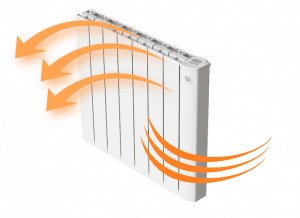
Electric radiator guidesHow do electric radiators work?
Elements, thermodynamic fluid, radiant and convected heat, and what makes a radiator efficient.
Read the guide
Electric heating legislationThe Future Homes Standard and Part L explained
What the new standards for homes in England mean for heating choices.
Read the guide
Storage heater replacementStorage heaters vs smart electric radiators
Why controllable radiators heat on demand, and when to replace old storage heaters.
Read the guide
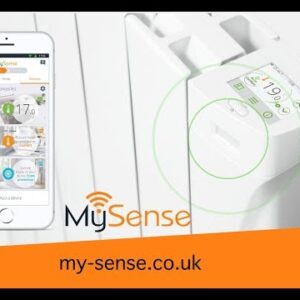
Smart radiator technologyWhat is a smart electric radiator?
Wi-Fi control, scheduling, open window detection and energy monitoring explained.
Read the guide
Renewable heating solutionsElectric radiators powered by solar panels
How solar PV and battery storage can power electric heating.
Read the guide
Electric heating advice by topic
Explore Electric Heating Topics
Every article sorted into nine topics. Choose a subject to find the guides that matter to you.
- Costs
- Smart heating and IoT
- Radiator technology
- Efficiency
- Storage heaters
- Legislation and Lot 20
- Renewables
- Radiator guides
- Commercial and landlords
Electric heating costs
Running costs, installation prices and how electric compares with gas.
Smart heating systems and IoT heating management
Wi-Fi radiators, apps, zoning and managing heating across whole buildings.
Smart radiator technology
How modern electric radiators work and what makes them efficient.
Electric heating efficiency
Features and habits that cut energy use without losing comfort.
Storage heater replacement
Moving from night storage heaters to controllable electric heating.
Electric heating legislation and Ecodesign Lot 20
The rules that shape heating in UK homes and buildings.
Renewable heating solutions
Solar PV, batteries, smart grids and decarbonising heat.
Electric radiator guides
Choosing, sizing and installing the right radiators for each room.
Commercial, landlords and students
Heating offices, pubs, rental homes and student accommodation.
Electric heating news
Latest Electric Heating News and Insights
New rules, industry changes and smart heating innovations, explained for UK homes and businesses.
Electric heating costs · 10 November 2026Electric heating whole-life cost
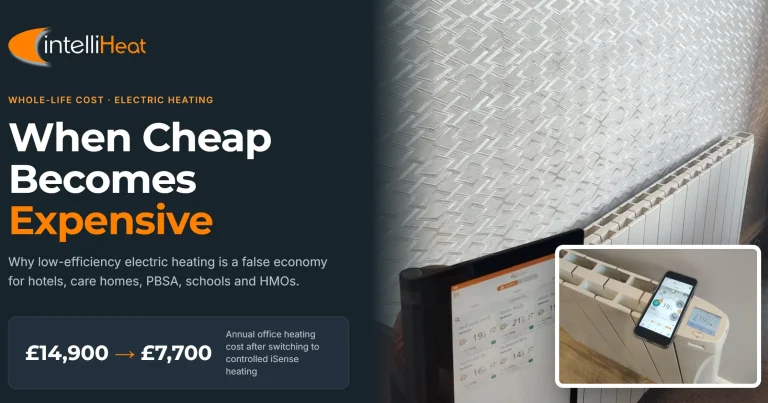
What electric heating really costs over its lifetime, including installation, running and maintenance.
Read the article
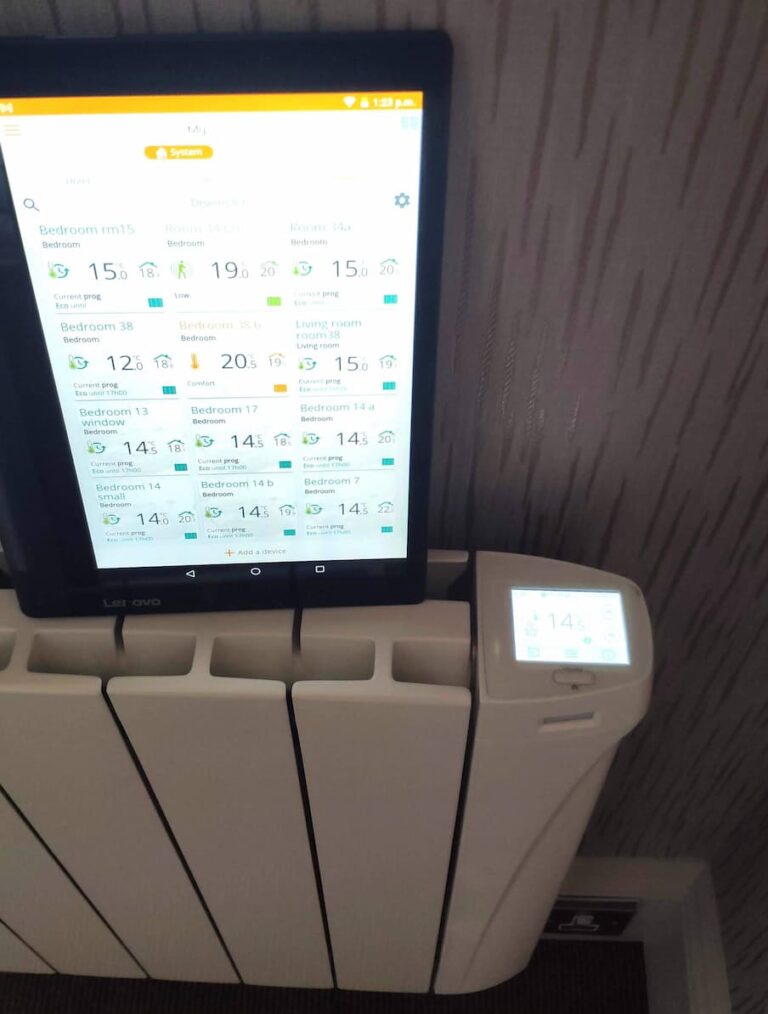
Student accommodation · 13 September 2026Controllable electric heating for student accommodation
How purpose-built student housing can control heating costs room by room while keeping students comfortable.
Read the article
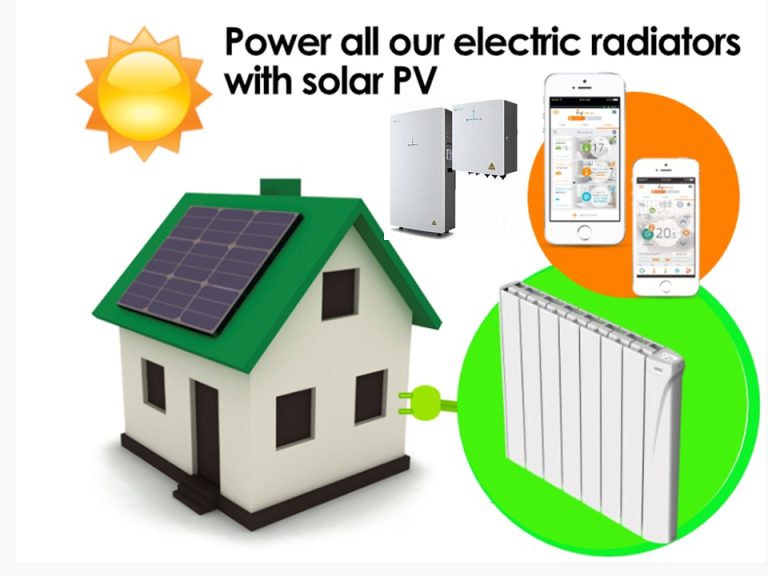
Renewables · 23 July 2026Smart energy, storage and the smart grid
How batteries, solar and smart heating work together to decarbonise buildings.
Read the article
All Articles, Newest First

Electric central heating alternative to boilers
Electric heating alternative to boilers, You may very well have seen or heard news that gas, oil boilers have being phased out, and will be banned in the UK from 2025.

Office and Commercial Electric Radiators
Our range of wi-fi electric radiators built with premium aluminium are the ideal solutions for commercial premises like workshops, offices, HMO, hotels.
Electric Radiators powered by Solar panels
Can you run your electric radiators from solar panels? Solar panels will reduce your heating bills during the colder months.
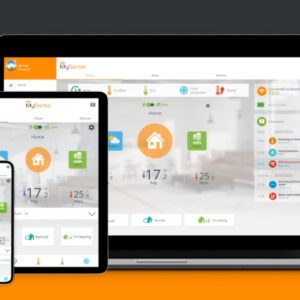
Multi zone heating control system
Controlling your heating more effectively will save you money and increase the comfort of your home. MySense multi zone heating control system work with the iSense wi-fi electric radiators

Energy saving feature of modern electric radiators
Energy saving features are the most important concern to everyone now that gas and electric prices are becoming increasingly unaffordable to the average resident.
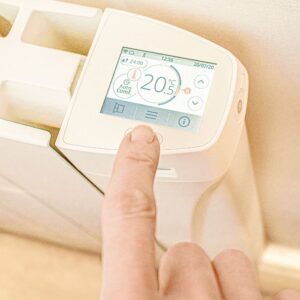
Energy Efficient Smart Electric Radiators
Smart Electric Radiators use IoT for the best energy efficiency, the Internet of Things or IoT, is now being utilised by Smart Electric Radiators interface units to totally transform the way we reduce energy costs and Co2 emissions.

How Pub Owners and Landlords Can Save £ Thousands on Electric Heating Bills
How Pub Owners and Landlords Can Save £ Thousands on Electric Heating Bills, iSense Smart Radiators and Heating management control installed in a PUB

Difference Between Storage Heaters and Low-Carbon Electric Radiators
The question people ask most often, is how a modern Low-carbon Electric Heating is different to a storage heater, as they both use electricity as the energy source, and why is it cheaper to have electric radiators when storage heaters only use power to collect heat and not to dispense it.

Tips to reduce your heating bill
Here are some tips to optimise the heating settings of your home and help reduce bills.
In a typical British household, most energy gets used on heating. In fact, for the average UK household, heating is responsible for over half of each month’s energy bill.
Electric heating explained
Electric Heating Glossary: Key Terms Explained
- Ecodesign Lot 20
- The ecodesign rules for local space heaters (Regulation (EU) 2015/1188), in force since 1 January 2018. Fixed electric heaters must have electronic room temperature control plus energy-saving features such as a weekly timer, open window detection or presence detection. Learn more
- Smart electric radiator
- An electric radiator with a built-in thermostat, programmer and Wi-Fi, so you can set temperatures and schedules from an app and see how much energy each room uses. Learn more
- IoT heating management
- Connecting every radiator in a home or building to a cloud platform, so heating can be zoned, scheduled, locked and monitored remotely. MySense is our IoT heating management app. Learn more
- Zoning
- Heating rooms or groups of rooms to different temperatures and schedules, so you only heat the spaces in use. Learn more
- Storage heater
- A heater that charges ceramic bricks with cheaper night-time electricity and releases the heat during the day, which makes it hard to control when and where heat is delivered. Learn more
- Economy 7
- An electricity tariff with seven hours of cheaper night-time rates, traditionally used with storage heaters. Smart radiators heat on demand, so check which tariff suits you. Learn more
- Thermodynamic fluid
- A heat-transfer fluid sealed inside some electric radiators. It spreads heat evenly across the radiator and helps it hold warmth after the element switches off. Learn more
- ACS (Advanced Condensing System)
- IntelliHeat’s two-phase heat transfer technology: a fluid evaporates, rises and condenses inside the radiator, so it starts heating within 60 seconds. Learn more
- Class II
- A double-insulated electrical appliance that does not rely on an earth connection for safety. Learn more
- Radiant heat
- Heat that travels as infrared energy and warms people and surfaces directly, rather than only heating the air. Learn more
- kW and BTU
- Units of heat output used to size radiators. 1 kW is about 3,412 BTU per hour. Learn more
- Part L and the Future Homes Standard
- Part L of the Building Regulations covers the conservation of fuel and power. In England, the Future Homes Standard tightens it so new homes are built for low-carbon heating. Learn more
- UKCA marking
- The UK Conformity Assessed mark, showing a product meets the rules for sale in Great Britain. Learn more
- Solar PV
- Solar photovoltaic panels turn sunlight into electricity, which can power electric radiators directly or be stored in a battery for later. Learn more
Electric heating efficiency
8 Ways to Make Electric Heating More Efficient
- 01Heat only the rooms you useZone your home and set schedules for each room, so empty rooms stay at a lower background temperature.
- 02Turn the temperature down a degreeMost people are comfortable between 18 and 21 °C. Every degree lower reduces the energy you use.
- 03Let the radiator sense wasteOpen window detection and presence sensors stop heating automatically when a window opens or a room empties.
- 04Replace old storage heatersStorage heaters charge overnight whether you need the heat or not. Controllable radiators heat on demand.
- 05Size each radiator correctlyAn undersized radiator runs flat out; an oversized one wastes money up front. Calculate the kW each room needs.
- 06Check your electricity tariffA tariff that matches when you use heat can make a real difference. Compare plans before winter.
- 07Add solar PV and a batteryGenerating and storing your own electricity reduces how much you buy from the grid.
- 08Watch your energy dataAn app that shows each room’s energy use helps you spot waste and fine-tune schedules.
Electric heating questions
Electric Heating FAQs
Is electric heating cheaper than gas in the UK?
Electricity usually costs more per kWh than gas, but electric radiators turn almost all the electricity they use into heat in the room, need no boiler servicing, and let you heat only the rooms in use. Your tariff, insulation and whether you have solar PV make the biggest difference. Read which is cheaper: gas or electric heating?
How much does it cost to run an electric radiator?
Multiply the radiator’s power in kW by the hours it heats and your unit rate. For example, a 1 kW radiator heating at full power for 4 hours at 25p per kWh costs £1. In practice the thermostat cycles the element on and off once the room is warm, so the real cost is usually lower. See our whole-life cost guide.
Are electric radiators energy efficient?
At the point of use, electric radiators are close to 100% efficient, because almost all the electricity becomes heat. Real savings come from controls: room-by-room schedules, open window detection and presence sensors stop you paying to heat empty rooms.
What is Ecodesign Lot 20?
Lot 20 is the ecodesign regulation for local space heaters, in force since 1 January 2018. Fixed electric heaters must have electronic room temperature control plus energy-saving features such as a weekly timer, open window detection or presence detection.
Do I have to replace my storage heaters?
There is no general legal requirement to remove working storage heaters. Many people replace them because they charge overnight whether or not you need heat the next day. Controllable electric radiators heat on demand and are easier to manage.
What is a smart electric radiator?
A smart electric radiator has a built-in thermostat, programmer and Wi-Fi, so you can control it from an app, set schedules for each room and see how much energy it uses.
What is IoT heating management?
IoT heating management connects every radiator to a cloud platform, so you can zone, schedule, lock and monitor heating across a home or a whole building from one app. It is widely used in care homes, hotels, offices and rental properties.
Can electric radiators run on solar panels?
Yes. Electric radiators can use electricity from solar PV panels directly, or from a battery that stores solar energy for the evening. This reduces how much electricity you buy from the grid.
What size electric radiator do I need?
It depends on the room’s size, insulation, windows and how warm you like it. A heat-loss calculation gives the kW each room needs. Use our kW and BTU guide or ask our team for a free heating design.
Is electric heating better for the environment?
Electric radiators burn no fuel in your home, so they produce no local emissions, and their carbon footprint falls as the UK grid uses more renewable power. Pairing them with solar PV or a renewable tariff lowers it further.
Do I need Economy 7 with electric radiators?
Not necessarily. Economy 7 suits storage heaters that charge at night. Smart radiators heat when you need it, so compare tariffs based on when your household uses most electricity.
Can I control electric radiators from my phone?
Yes, if they are Wi-Fi enabled. A heating app lets you change temperatures, set schedules and check energy use from anywhere.
Do electric radiators need servicing?
Electric radiators need very little maintenance. There is no boiler, flue or gas safety check, and no water system to bleed or flush.
What is the Future Homes Standard?
The Future Homes Standard tightens the energy and carbon rules for new homes in England, so they are built for low-carbon heating rather than fossil-fuel boilers. Read our explainer.
Where can I get free advice on electric heating?
Call our team on 020 3916 0000 or use our contact page for free advice and a heating design. You can also download our 2027 product brochure.
Free expert advice