
The UK is about to change the way new homes are built. Future Homes Standard Part L 2026 is the UK’s new standard for building low‑energy, low‑carbon homes. It means no gas boilers in new builds, better insulation, smarter design, and solar panels becoming common.
Homes will be warmer; properties will be cheaper to run and ready for a greener electricity grid. For buyers, it means lower bills and a more comfortable home. For developers, it’s a shift toward cleaner, future-proof construction.

Part L (2026) of UK Building Regulations is the latest update to the rules that control energy efficiency and carbon emissions in every buildings. But what does “Part L 2026” actually mean in practice and why should developers, investors, and homeowners care?
Why is Part L changing?
Part L covers the conservation of fuel and power, essentially how well a home uses and saves energy, the 2026 update supports the UK’s move toward zero‑carbon ready homes, meaning:
- No gas boilers in new builds
- Homes designed for a low‑carbon electricity grid
- No need for expensive retrofits later
- Around 75 to 80% fewer carbon emissions than 2013 standards
What does Part L 2026 mean for new homes?
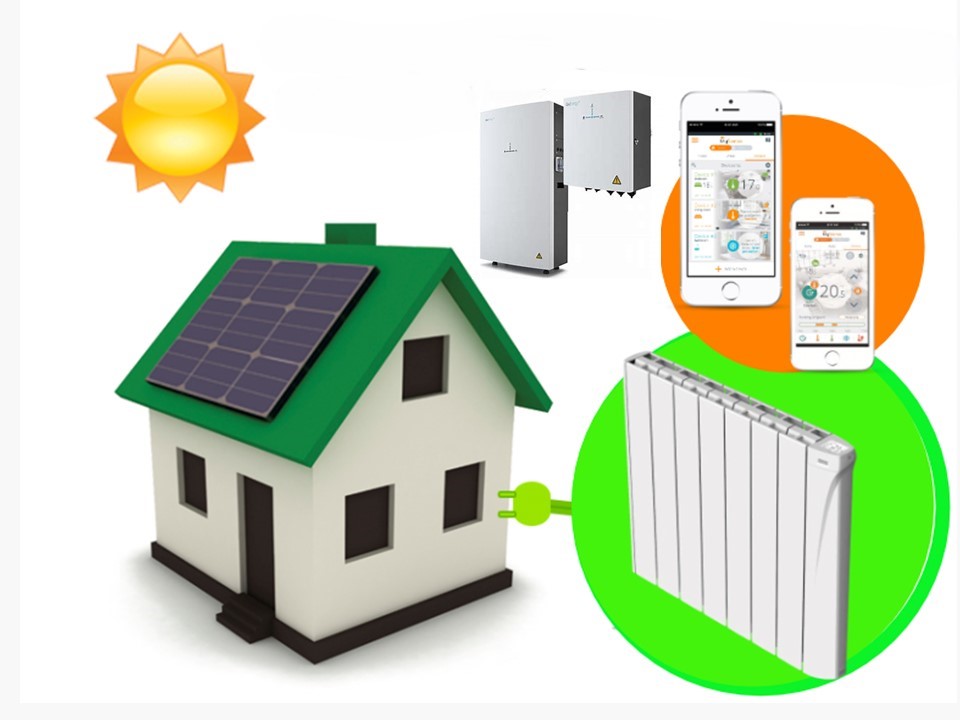
1. A move from Gas to Electric. Gas boilers are being phased out. New homes will instead use:
- Heat pumps
- Heat networks (in suitable developments)
- High‑efficiency connected electric heating systems
As the grid gets greener, these homes automatically become lower‑carbon. To achieve Net Zero heating, we must address the challenge of decarbonisation of domestic and commercial heating.
2. Better buildings by design
The focus isn’t just on technology; it’s on building better homes from the start. Expect improvements in:
– Insulation
– Air-tightness
– Windows and glazing
– Overall heat loss
The goal is simple: reduce energy demand before adding renewables.
3. Solar becomes the norm
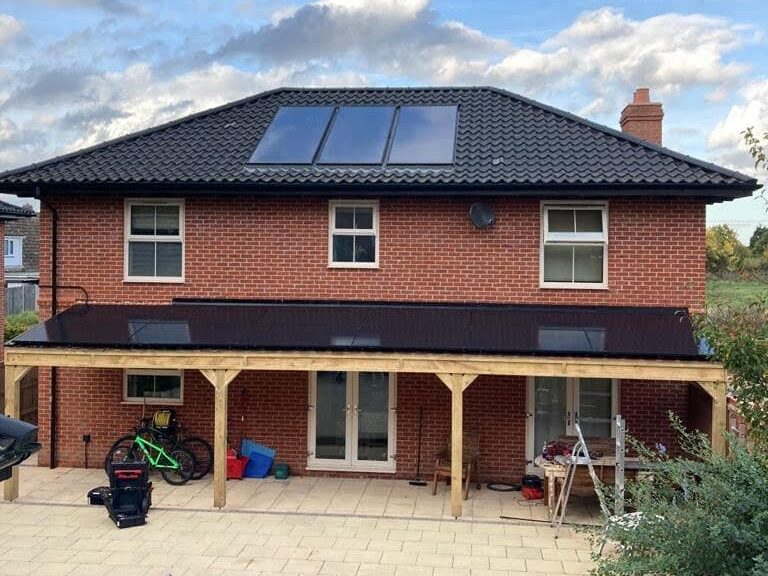
Rooftop solar will be standard on many new homes with new builds already requiring some form of renewables to comply.
– Large sections of roof dedicated to PV solar systems
– Homes will generate a meaningful share of their own electricity
– Bills and carbon footprints drop as a result


4. A smarter way to measure performance
Homes will be judged on whole‑building performance using metrics like:
– Primary Energy
– Carbon Emissions
– Fabric Energy Efficiency
New tools such as the Home Energy Model (HEM) support this approach.
The good news is that the HEM (Home Energy Model) is the New Replacement for SAP 10.2.
“SAP 10.2 is on its way out, and the new HEM, the Home Energy Model, is taking over. If you’re an energy assessor, or ESOS lead assessor, or working with low-carbon tech, you need to understand how big this shift really is. SAP calculations are generally required for new build residential dwellings, conversions of existing buildings in UK, primary function is to evaluate the energy efficiency of the building, which is a critical component in securing an Energy Performance Certificate (EPC).
What is HEM? HEM is the UK’s new home energy calculation tool. It replaces SAP after decades of use. Unlike SAP – which was static and used averaged data – HEM is dynamic. It models energy use hour-by-hour, taking into account real-world weather, smart controls, occupant behavior, and IOT connected technologies.
HEM, Home Energy Model KEY POINTS:
– Dynamic hourly modelling
– Weather-linked
– Smart heating control friendly
– Designed for electrification & net-zero
What does this mean for developers?
Designers have more flexibility, but also more responsibility to balance insulation, heating, and renewables effectively.
– Higher upfront costs for materials and technologies
– More complex design work, especially around orientation, layout, and roof space
– Pressure on supply chains for heat pumps, solar, smart controlled heating and skilled labour
But early adopters will stand out as sustainability leaders and future‑proof their developments.
And for homeowners?
– Lower running costs
– More comfortable, efficient homes
– No need for costly upgrades later
Homes built to Part L 2026 will simply perform better and feel better to live in.
When is this happening and key figures
The transition is phased:
– New standards will apply to future planning submissions
– Full rollout is expected around March 2027
– Transitional rules will protect projects already in progress
Key figures:
– £600 million allocated to train 60,000 construction workers in low-carbon technologies
– 40% solar coverage requirement based on a dwelling’s ground-floor area
– 2 million homes targeted under the new regulatory framework
These figures position the Future Homes Standard 2026 as both a regulatory and industrial transformation, with direct implications for workforce capability and supply chain capacity.
Final thoughts on Future Homes Standard Part L 2026
Part L 2026 isn’t just a regulatory update—it represents a fundamental shift in how homes are designed, built, and lived in. The focus is no longer just compliance, but performance, sustainability, and long-term resilience.
For the property sector, the message is clear: those who embrace the change early will be best placed to thrive in a low-carbon future.
Tired of rising LPG and oil prices draining your wallet? Why not switch to a smarter, cleaner way to heat your home? If you’ve already got solar, our smart-controlled electric heating could be the perfect solution. Efficient, modern, and designed to put you in control of your energy use.
Wondering how much it costs to install in the UK? Get in touch today and our expert team will connect you with trusted installers in your area and provide all the details you need.
Statutory guidance. Approved Document L (2026) – https://www.gov.uk/government/publications/approved-document-l-2026